How could collaborative learning potentially impact on primary education?
How could
collaborative learning potentially impact on primary education?
Collaborative learning is when knowledge from others is used as a social construct to expand and promote each other’s development. It can consist of ‘peer to peer learning, large groups, peer instructions or working in pairs’ (Cornell University, 2010).
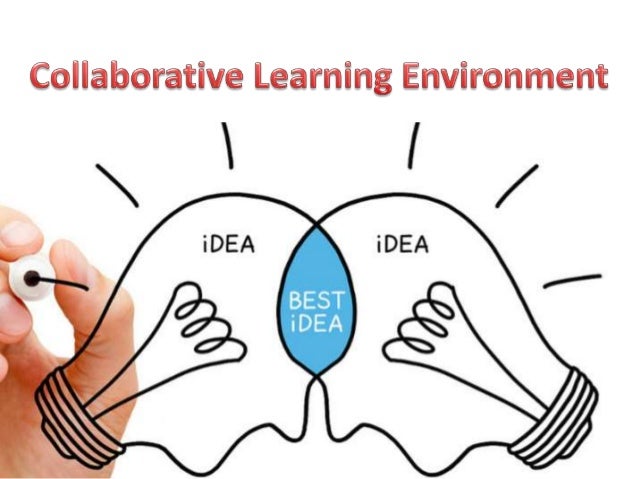
Within the Areas of Learning and Experience in the ‘Successful Futures’ review, it clearly demonstrates focus around both learner and practitioners working collaboratively to positively impact on the overall experience of education (Donaldson, 2015). The review states that working collaboratively can give learners the opportunity to critically evaluate their own work as well as the work of others. It also discusses the importance of working together in this way, to encourage learners to make links across their learning and bring issues and ideas together in a coherent manner (Donaldson, 2015. P. 39). Working collaboratively will also encourage the learners to take responsibility over their own work in order for them to see the importance and relevance over their own current and future needs (Donaldson, 2015. P. 110).
Lehtinen (2013) argues that throughout the last ten years, education has dramatically changed regarding technology. This is reflected in the new curriculum ‘Successful Futures’. The digital competence framework (DCF) has been introduced in Wales to support the ‘Successful Futures’ curriculum. It has been implemented to ensure learners are able to ‘thrive in an increasingly digital world’ (Welsh Government, 2017). The DCF is based on four strands, one of which being ‘interacting and collaborating’. Bringing technology into the classroom can provide both learner and practitioner with a ‘rich variety of tools to support collaborative learning’. Technology can also have an extensive impact on providing opportunities to facilitate social interaction between the learner and practitioner and amongst the learners themselves (Lehtinen, 2003). An example of using technology within the classroom to collaborate and enhance learning is ‘Google Doc’s’. It was created to support 21st century collaboration and allow for collaborative writing in real time. It also supports students to develop their ideas and being able to support each other by using application such as ‘digital brainstorming’ (Tech Target, 2015). It can be argued that technology has substantially improved the accessibility of collaboration within the classroom and across the world (Lehtinen, 2013).
The Welsh Government (2016) argues that collaboration in education is one of the most crucial features of the curriculum. It will allow learners to ‘successfully work together in different contexts and situations as and where appropriate’.
The new curriculum will be supported by Estyn, ensuring that all children will have the opportunity to work collaboratively and gain as much as possible from their education (Welsh Government, 2016). Technology is now at the forefront of education and in the modern-day workplace. Therefore, reflecting the importance that children are taught how to use technology to positively benefit them both in and outside of the classroom.
There are many theorists that also support collaborative learning and back up the ideology that working collaboratively can positively impact primary education. Piaget’s socio-cultural approach, argues that peer interaction is one of the key influences in cognitive development (Stepanovic, 2010). Piaget’s ideas are based on Vygotsky’s ideology of the Zone of Proximal Development (ZPD). Vygotsky’s beliefs are also heavily based on the idea that peer interaction is an effective way to develop children’s holistic development. His theories suggest that when a learner is in the ZPD, and with the ‘guidance and encouragement’ from another individual, can substantially improve the outcome of a particular task (Crowley, 2014). Both Piaget and Vygotsky, argue that social interaction is also crucial for language development and learning always takes place in a social context. Vygotsky states that ‘language is the foundation of thought’. Therefore, social interaction and collaboration in primary education is imperative for a child to move forward and develop further (Crowley, 2014).

Looking at theory and academic literature, it is clear that working collaboratively with in primary education can have many positive impacts both in and out of the classroom.
Lehtinen, E. (2003) ‘Computer-supported collaborative learning: An approach to powerful learning environments’. Powerful Learning Environments: Unravelling basic components and dimensions. Pp. 35-54
Stepanovic, I. (2010) ‘The role of peer interaction in cognitive development: Piagetian and Vygotskyan perspective’. Psychological Research. 13(2) pp. 219-240
Tech Target (2015) Google Docs. Available at: http://whatis.techtarget.com/definition/Google-Docs (Accessed: 09.01.2018)
Welsh Government (2017) Digital Competence Framework. Available at: http://learning.gov.wales/resources/browse-all/digital-competence-framework/?lang=en (Accessed: 09.01.2018)
Welsh Government (2016) Digital Competence Framework. Available at: http://learning.gov.wales/docs/learningwales/publications/160831-dcf-guidance-en.pdf (Accessed: 09.01.2018)
Hi University
Bloggers! Working collaboratively has been at the forefront of our studies
recently as we have had the opportunity to skype with another school located in
Nairobi. This gave us the chance to experience education in Africa through the
use of technology.
Collaborative learning is when knowledge from others is used as a social construct to expand and promote each other’s development. It can consist of ‘peer to peer learning, large groups, peer instructions or working in pairs’ (Cornell University, 2010).
Within the Areas of Learning and Experience in the ‘Successful Futures’ review, it clearly demonstrates focus around both learner and practitioners working collaboratively to positively impact on the overall experience of education (Donaldson, 2015). The review states that working collaboratively can give learners the opportunity to critically evaluate their own work as well as the work of others. It also discusses the importance of working together in this way, to encourage learners to make links across their learning and bring issues and ideas together in a coherent manner (Donaldson, 2015. P. 39). Working collaboratively will also encourage the learners to take responsibility over their own work in order for them to see the importance and relevance over their own current and future needs (Donaldson, 2015. P. 110).
Lehtinen (2013) argues that throughout the last ten years, education has dramatically changed regarding technology. This is reflected in the new curriculum ‘Successful Futures’. The digital competence framework (DCF) has been introduced in Wales to support the ‘Successful Futures’ curriculum. It has been implemented to ensure learners are able to ‘thrive in an increasingly digital world’ (Welsh Government, 2017). The DCF is based on four strands, one of which being ‘interacting and collaborating’. Bringing technology into the classroom can provide both learner and practitioner with a ‘rich variety of tools to support collaborative learning’. Technology can also have an extensive impact on providing opportunities to facilitate social interaction between the learner and practitioner and amongst the learners themselves (Lehtinen, 2003). An example of using technology within the classroom to collaborate and enhance learning is ‘Google Doc’s’. It was created to support 21st century collaboration and allow for collaborative writing in real time. It also supports students to develop their ideas and being able to support each other by using application such as ‘digital brainstorming’ (Tech Target, 2015). It can be argued that technology has substantially improved the accessibility of collaboration within the classroom and across the world (Lehtinen, 2013).
The Welsh Government (2016) argues that collaboration in education is one of the most crucial features of the curriculum. It will allow learners to ‘successfully work together in different contexts and situations as and where appropriate’.
The new curriculum will be supported by Estyn, ensuring that all children will have the opportunity to work collaboratively and gain as much as possible from their education (Welsh Government, 2016). Technology is now at the forefront of education and in the modern-day workplace. Therefore, reflecting the importance that children are taught how to use technology to positively benefit them both in and outside of the classroom.
There are many theorists that also support collaborative learning and back up the ideology that working collaboratively can positively impact primary education. Piaget’s socio-cultural approach, argues that peer interaction is one of the key influences in cognitive development (Stepanovic, 2010). Piaget’s ideas are based on Vygotsky’s ideology of the Zone of Proximal Development (ZPD). Vygotsky’s beliefs are also heavily based on the idea that peer interaction is an effective way to develop children’s holistic development. His theories suggest that when a learner is in the ZPD, and with the ‘guidance and encouragement’ from another individual, can substantially improve the outcome of a particular task (Crowley, 2014). Both Piaget and Vygotsky, argue that social interaction is also crucial for language development and learning always takes place in a social context. Vygotsky states that ‘language is the foundation of thought’. Therefore, social interaction and collaboration in primary education is imperative for a child to move forward and develop further (Crowley, 2014).
Looking at theory and academic literature, it is clear that working collaboratively with in primary education can have many positive impacts both in and out of the classroom.
Cornell
University (2010) What is Collaborative
Learning? Available at: https://www.cte.cornell.edu/teaching-ideas/engaging-students/collaborative-learning.html
(Accessed: 05.01.2018)
Crowley, K. (2014) Child Development: A Practical Introduction. Los Angeles: SAGE
Donaldson, G. (2015) Successful Futures: Independent Review of Curriculum and Assessment arrangements in Wales. Welsh Government.
Crowley, K. (2014) Child Development: A Practical Introduction. Los Angeles: SAGE
Donaldson, G. (2015) Successful Futures: Independent Review of Curriculum and Assessment arrangements in Wales. Welsh Government.
Lehtinen, E. (2003) ‘Computer-supported collaborative learning: An approach to powerful learning environments’. Powerful Learning Environments: Unravelling basic components and dimensions. Pp. 35-54
Stepanovic, I. (2010) ‘The role of peer interaction in cognitive development: Piagetian and Vygotskyan perspective’. Psychological Research. 13(2) pp. 219-240
Tech Target (2015) Google Docs. Available at: http://whatis.techtarget.com/definition/Google-Docs (Accessed: 09.01.2018)
Welsh Government (2017) Digital Competence Framework. Available at: http://learning.gov.wales/resources/browse-all/digital-competence-framework/?lang=en (Accessed: 09.01.2018)
Welsh Government (2016) Digital Competence Framework. Available at: http://learning.gov.wales/docs/learningwales/publications/160831-dcf-guidance-en.pdf (Accessed: 09.01.2018)


Comments
Post a Comment