What is the purpose of education and what are my pedagogical beliefs?
What is the purpose of education and what are my pedagogical beliefs?
Hi University Bloggers!
This is the first post of the new academic year and the main focus of this blog post will be to outline what I believe to be the purpose of education and what my pedagogical beliefs are. Waring (2014) suggests that the term pedagogy goes beyond the way in which the practitioner and pupil build a relationship through learning, but looks further into theory based on education, learning styles that are used within the classroom, how the pupils are assessed and looks into the relationships in and out of the classroom. By looking further into the meaning of the term, Waring (2014) is showing the complexity of the term and discussing that there are many variables when looking to define the term pedagogy.

Donaldson (2015) also looks into the term pedagogy and his definition of the term closely links to the definition that Waring (2014) gives. Donaldson discusses that pedagogy is ‘more than just teaching’, and he suggests that a variety of factors need to be considered when looking at pedagogy as a whole, such as the developmental age of the pupil, the current curriculum and the theoretical and practical knowledge from both pupil and practitioner. He also suggests that the practitioner need to use their ‘fine judgement’ about what they consider encouraging and will promote effective learning in a variety of contexts. Both Donaldson and Waring have discussed the complexity around the term pedagogy and both state that there are many components when looking to define it. I personally agree with both as I believe that pedagogy is complex, therefore it requires us to look further than just a practitioner teaching a pupil within the classroom, and in the current education system, it’s a necessity to prepare pupils for life beyond the classroom and give pupils more than just basic numeracy and literacy and extend their learning to give them a more holistic education.
Looking at present society and looking forward, as well as looking at the current education system, I believe that creativity and developing creative practitioners and learners is the purpose of education. Creativity within the classroom has become increasingly more important over recent years and will continue to become even more crucial for both learners and practitioners (Wyse and Ferrari, 2015). The recognition for creativity to become more centralised in education, has evolved from the growing need for learners to become current and up to date with the ever-changing market. Wyse (2015) discusses the importance of creativity in the current economy. He also looks at the importance of how to encourage children to become creative in order to give them an education which will give them the necessary attributes for the current society. The need for creative individuals in today’s economy is fundamental. The government within the UK and around the world are now investing their attention into how to incorporate creativity into the education system (Wyse, 2015). Selkrig (2017) suggests that creativity within the classroom has become so important that teachers themselves need to focus on their own creative learning as this has become equally as crucial. He also suggests that due to the vital role teachers have within the classroom, it has become crucial that the teachers themselves focus on their own creative learning to be able to transfer this to student learning.
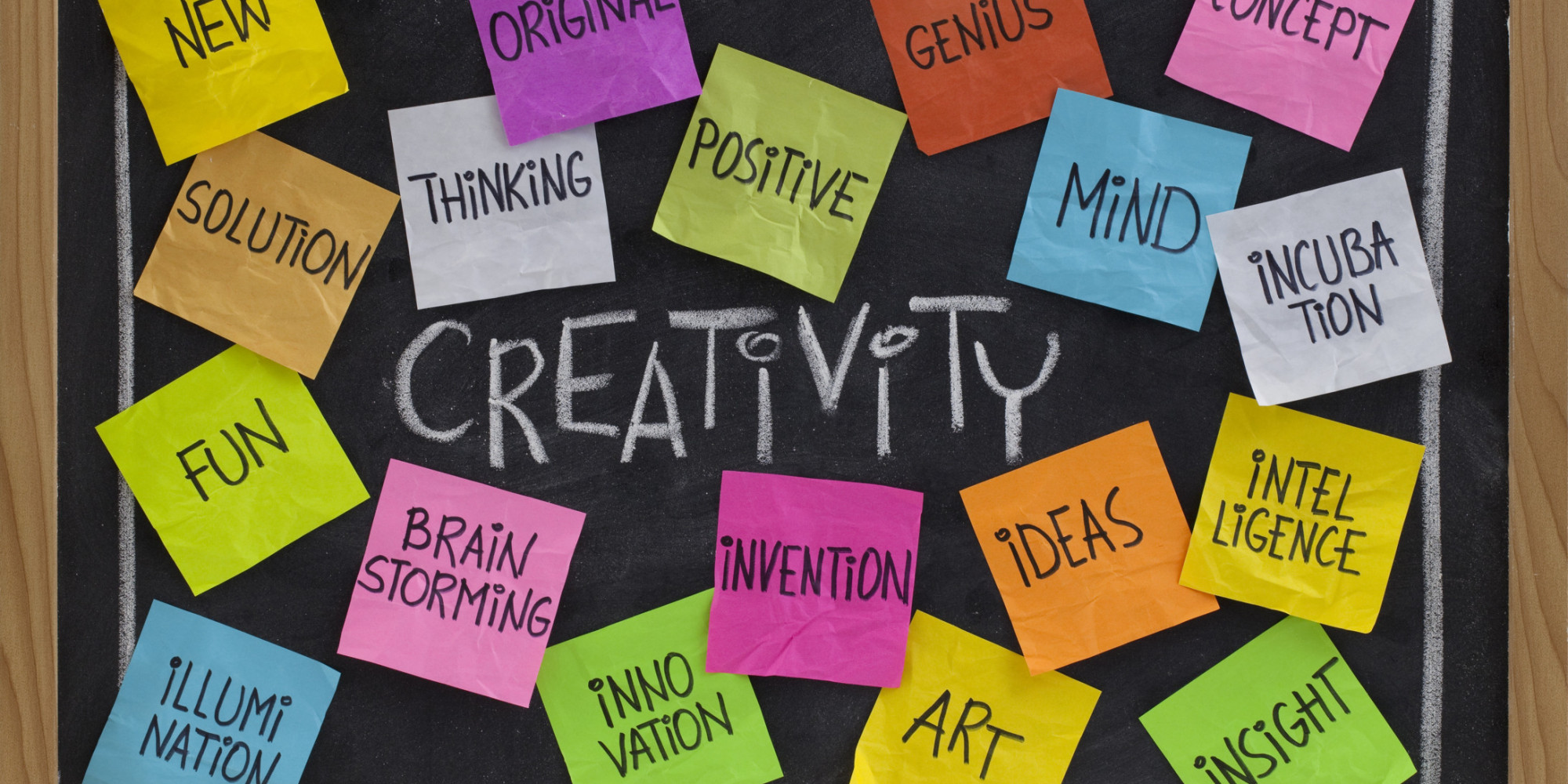
Creativity in education has been adopted across the world with the Australian government investing into their own education system by setting goals for their learners to become ‘confident and creative individuals’. China has also developed a similar attitude towards education by making creativity in the early years a priority since 2006. They often use the slogan ‘foster creativity in children’ which can be seen regularly within schools in China and within the education department (Wyse, 2015). Consequently, reflecting the importance of ‘creativity’ and how it is impacting on modern education.
Looking further than the benefits creativity can have on the economy, it can also be seen that it is playing a crucial role within the classroom. Jindal et al (2013) states that encouraging a creative environment will give the learner both cognitive and social benefits. It is also discussed that this type of environment could improve school attendance and engagement within the classroom. The study Jindal et al (2013) conducted, showed that the learners confidence and motivation had increased both in and out of the classroom when a more creative environment was provided. By providing the learners with a ‘creative pedagogical environment’, it allowed for flexibility and provided the learners with the chance to work collaboratively (Jindal et al, 2013).
The world is continuing to evolve at such a fast pace that children need to be taught in a creative way to encourage their own creativity, which in turn, will spark qualities such as; mechanisms to help us cope in all situations, to encourage our imagination and allow us to be innovative in the way we live our lives. These resources are key qualities in a ‘knowledge-driven economy’ which is continuing to change and develop (Wyse, 2015).
Being creative with pedagogy also closely mirrors the new curriculum ‘Successful Futures’ (Donaldson, 2015) The review repeatedly references ‘creativity’ with a clear focus towards a more holistic education which can provide learners with the ability to become more ‘creative thinkers’ (Donaldson, 2015. P. 28). Looking forward into my second blog which discusses how creativity can impact within the classroom, further supports my pedagogical beliefs.
Donaldson, G. (2015) Successful Futures: Independent Review of Curriculum and Assessment arrangements in Wales. Welsh Government.
Jindal, D. et al. (2013) ‘The impact of creative learning environments on learners: A systematic literature review. Improving Schools. 16(1) pp. 21-31
Selkrig, M (2017) ‘Creative pedagogy: a case for teachers’ creative learning being at the centre’, Teaching Education, 28(3), pp.317-332
Waring, M. and Evans, C. (2014) Understanding Pedagogy. London: Routledge Ltd
Wyse, D. and Ferrari, A. (2015) ‘Creativity and education comparing the national curricula of the states of the European Union and the United Kingdom’, British Educational Research Journal. 41(1) pp. 30-47


Comments
Post a Comment